

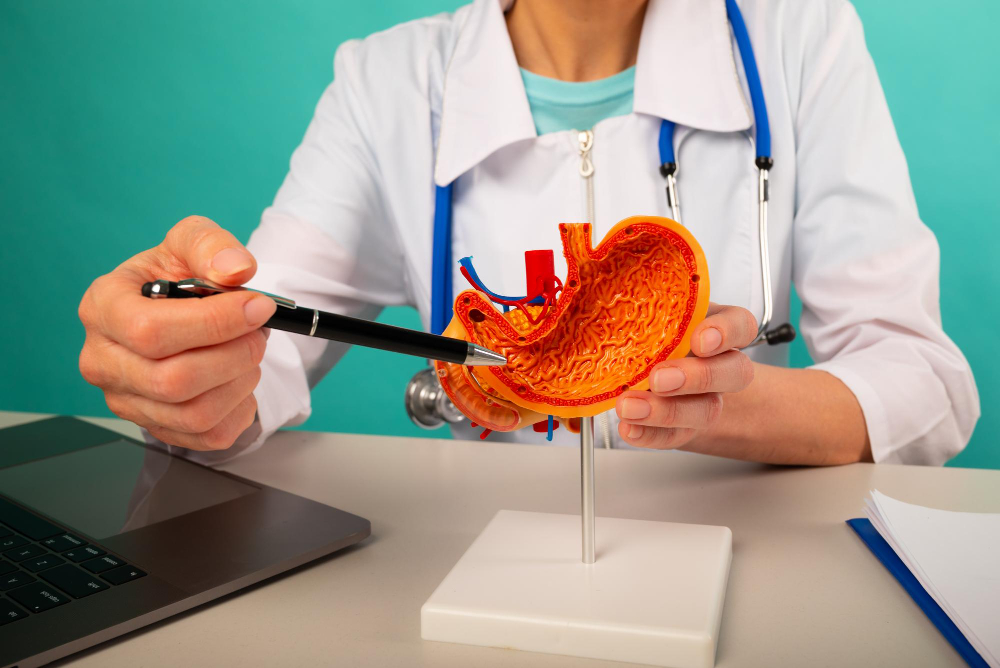
Stomach cancer is a serious disease that affects many people worldwide. Early detection and proper treatment, including stomach cancer surgery, can greatly improve outcomes. When found early, stomach cancer is often easier to treat. Surgery is a common and effective way to remove cancer from the stomach. In this guide, you will learn about stomach cancer, why early detection matters, and what to expect from surgery and recovery.
What is Stomach Cancer?
Stomach cancer, also called gastric cancer, starts in the lining of the stomach. The stomach is an organ in your belly that helps digest food. Cancer happens when cells grow out of control. Over time, these cells can form a lump or tumor. If not treated, the cancer can spread to other parts of the body. According to the World Health Organization (WHO), stomach cancer is one of the most common cancers globally.
Why Early Detection Matters
Early detection means finding cancer before it spreads. When stomach cancer is found early, treatment is more likely to work. In fact, surgery can often remove all the cancer if it is caught soon. On the other hand, late-stage cancer is harder to treat and may need more complex care. Therefore, knowing the signs and getting checked early can save lives.
Signs and Symptoms to Watch For
Stomach cancer can be hard to spot at first. However, some symptoms may appear as the disease grows. Watch for these signs:
Not everyone will have all these symptoms. Sometimes, these signs can be caused by other health problems. Even so, if you notice any of them, it is important to see a doctor.
Diagnosis: How Stomach Cancer is Detected
Doctors use several tests to find stomach cancer. First, they may ask about your symptoms and medical history. Next, they may do a physical exam. If cancer is suspected, these tests may follow:
Early diagnosis is key. If you have risk factors or symptoms, talk to your doctor about getting checked.
Surgical Treatment Options
Surgery is often the main treatment for stomach cancer, especially in early stages. The goal is to remove the tumor and some healthy tissue around it. There are different types of stomach cancer surgery:
The type of surgery depends on the size and location of the cancer. Your doctor will explain which option is best for you.
What to Expect Before, During, and After Surgery
Before surgery, you will meet your care team. They will explain the procedure and answer your questions. You may need some tests to check your health. On the day of surgery, you will get medicine to help you sleep and feel no pain.
During surgery, the doctor removes the cancer and some nearby tissue. The operation may take several hours. After surgery, you will stay in the hospital for a few days. Nurses and doctors will help you manage pain and start eating again. Recovery times can vary, but most people need several weeks to heal fully.
Recovery and Lifestyle Tips
After stomach cancer surgery, your body needs time to adjust. Eating may feel different at first. Here are some tips to help with recovery:
Sometimes, you may need help from a dietitian. They can guide you on the best foods to eat after surgery.
Prevention and Reducing Risk
While not all cases can be prevented, you can lower your risk of stomach cancer. Here are some steps you can take:
Regular check-ups can also help find problems early. If you have a family history of stomach cancer, talk to your doctor about your risk.
Conclusion
Stomach cancer is a serious illness, but early detection and surgery can save lives. If you notice any symptoms or have concerns, do not wait. Consult at ONCOHEAL CANCER CENTER for personalized advice and timely care.